
Hazardous waste and recycling, eight Southeast states
Hazardous waste, handled right.
By technical professionals who answer the phone.
Disposal, recycling and transport run from our Mobile base since 2001. Certified Hazardous Materials Managers on staff. Audit ready manifests on every load.
Mobile, AL 251-679-1967 Tampa, FL 833-670-2200
25
Years in operation, since 2001
8
States with permitted transport
21
Industries served
CHMM
Certified managers on staff
- Certified Hazardous Materials Managers on staff
- ISO 14001 registered
- Licensed hazardous waste transporter
- Licensed medical waste transporter
- Environmental contractor
What we handle
Every regulated waste stream your plant generates
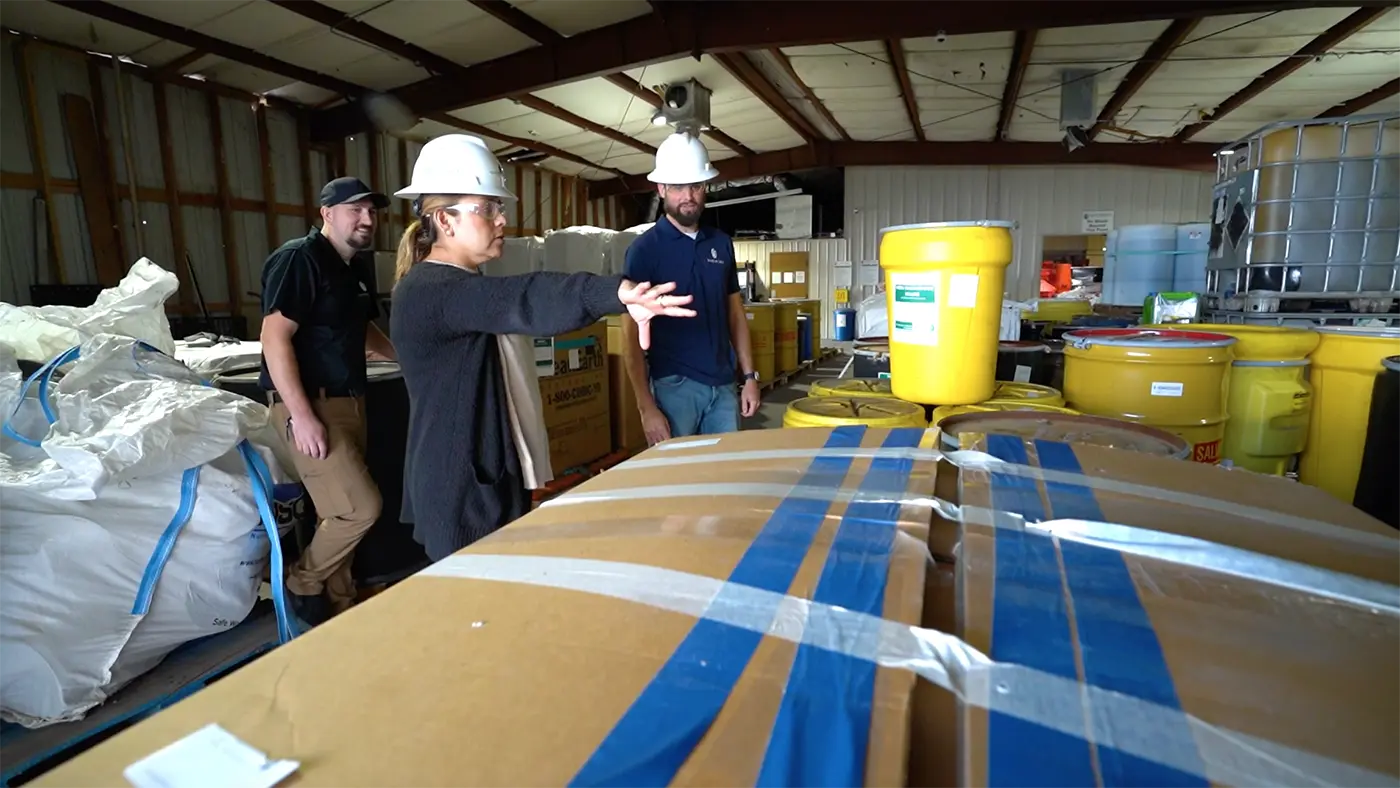
Greer Enterprises collects, transports, treats and documents hazardous waste, regulated medical waste and industrial recyclables across Alabama, Florida, Georgia, Louisiana, Mississippi, South Carolina, Tennessee and Texas. Every load ships on a manifest signed off by a Certified Hazardous Materials Manager.
RCRA hazardous waste
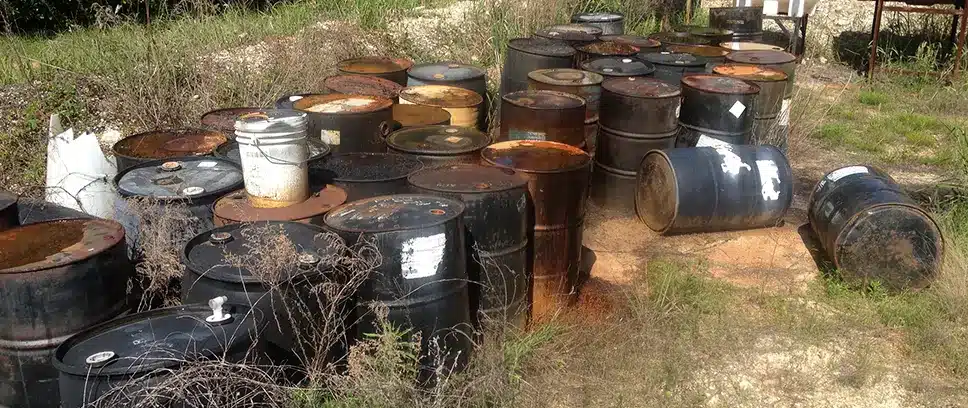
Ignitable, corrosive, reactive and toxic streams. Coded, manifested and routed to incineration, treatment or deep well injection.
Learn more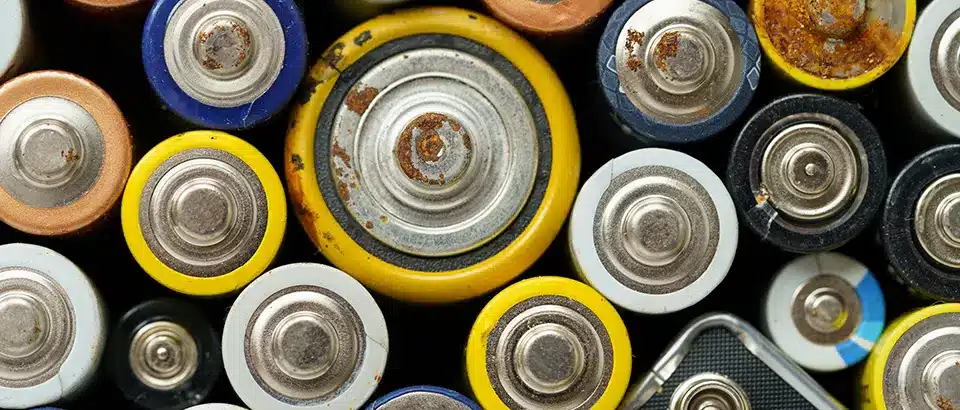
Recycling and recovery
Solvent recovery, caustic reclamation and fuels blending. Offered ahead of landfill wherever the stream allows it.
Learn more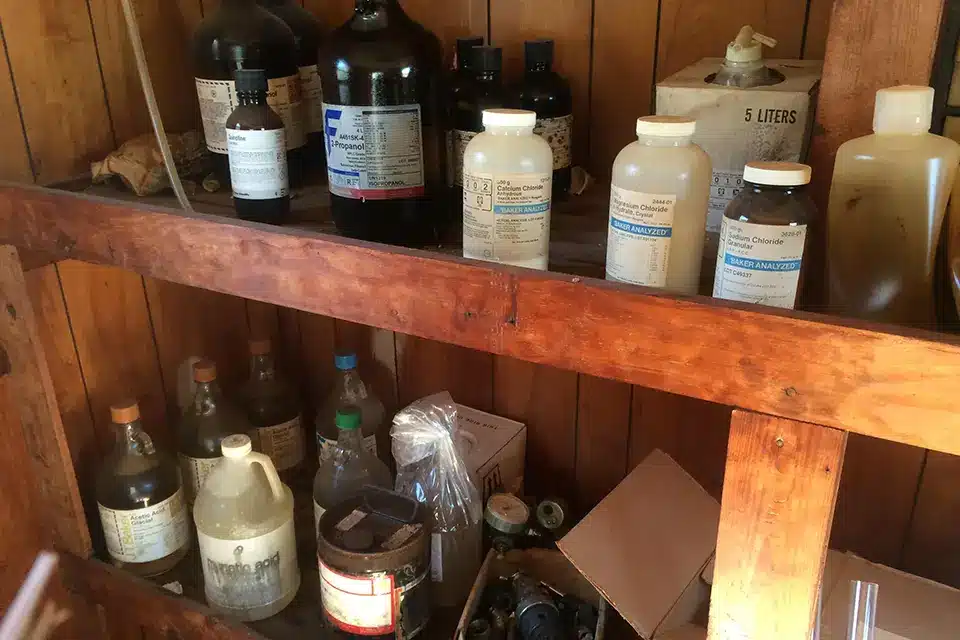
Lab pack services
Unknown and small quantity chemicals identified, segregated, packed and shipped by a technical professional on site.
Learn more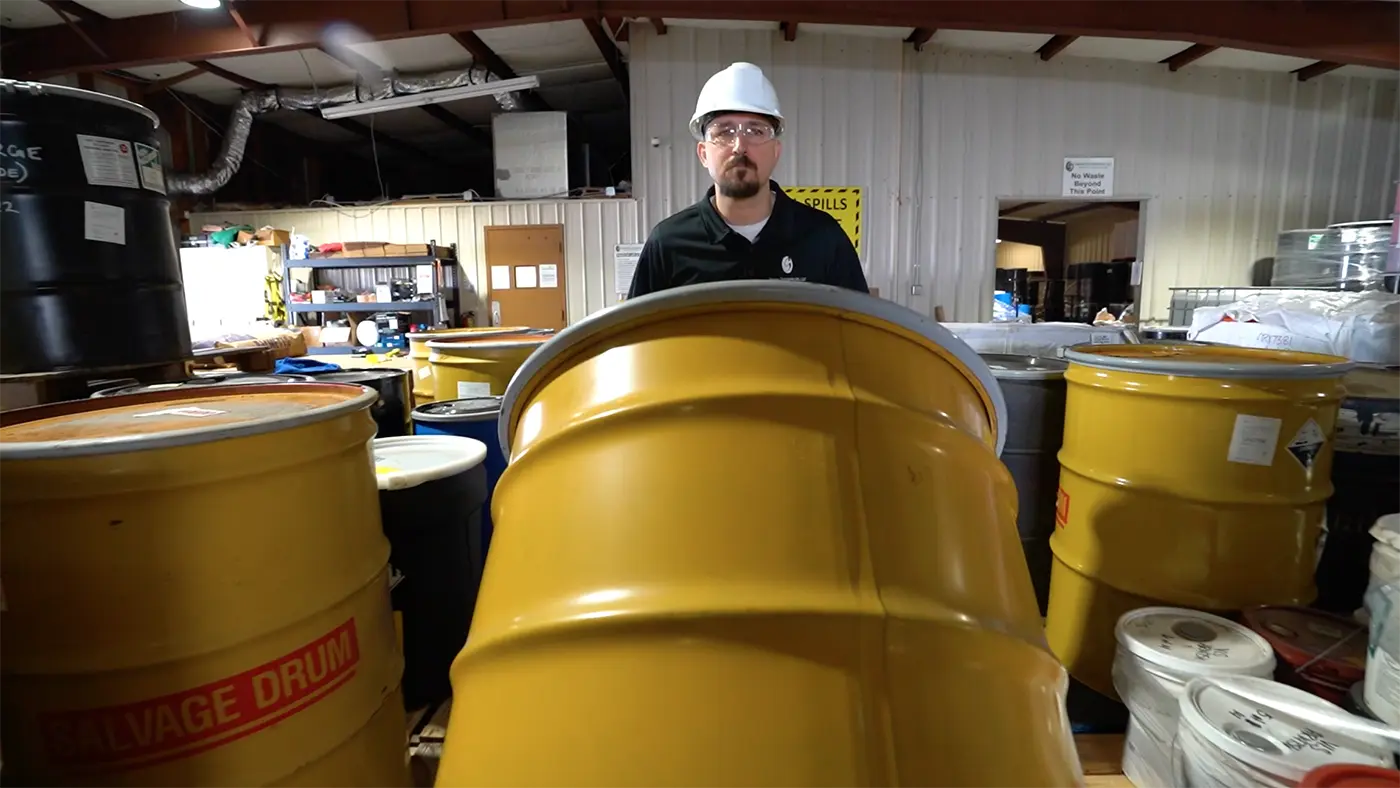
PFAS and AFFF
Firefighting foam and PFAS bearing waste, handled against current federal and state disposal requirements.
Learn more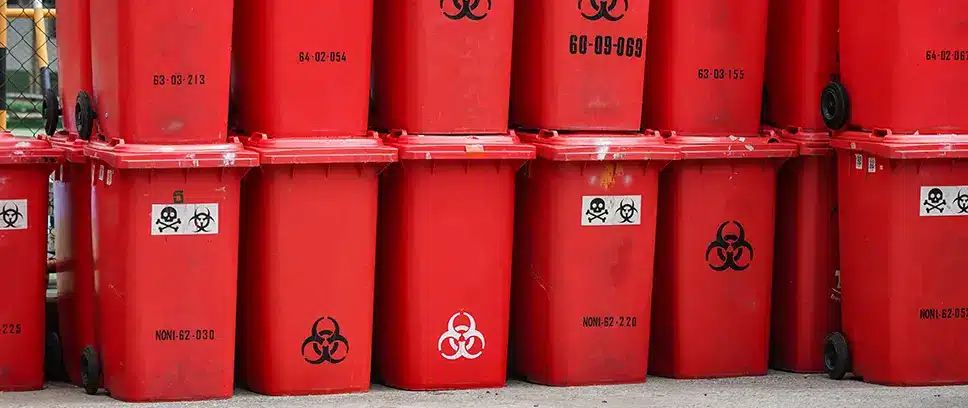
Medical waste
Regulated medical, pathological and pharmaceutical waste. Scheduled pickup or prepaid mail back.
Learn more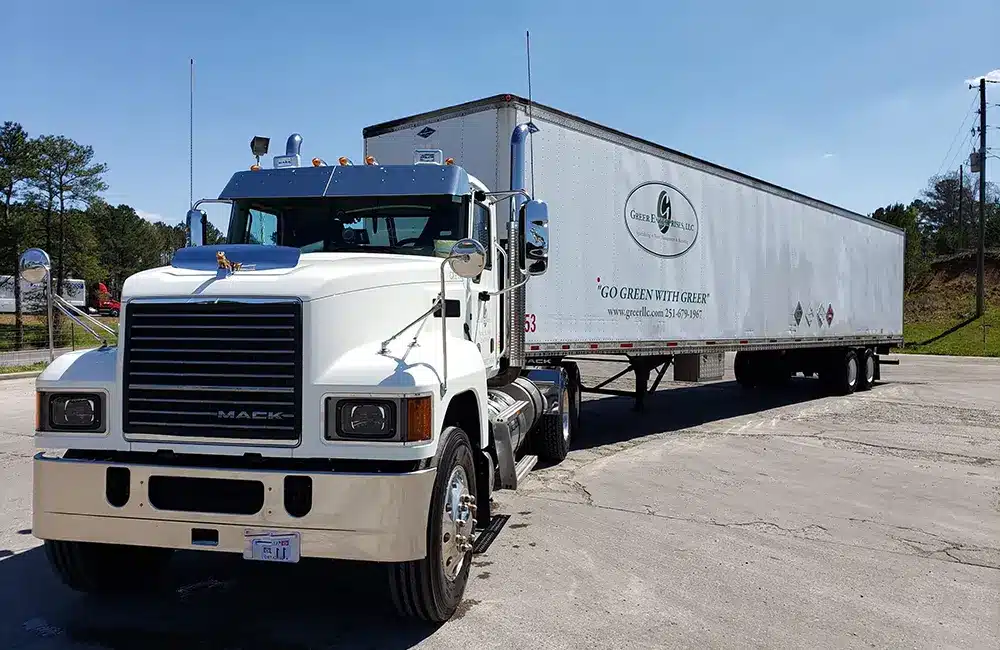
Transportation
Company owned tractors, dry vans, end dumps, flatbeds and roll off boxes. Permitted transporter in all eight states.
Learn more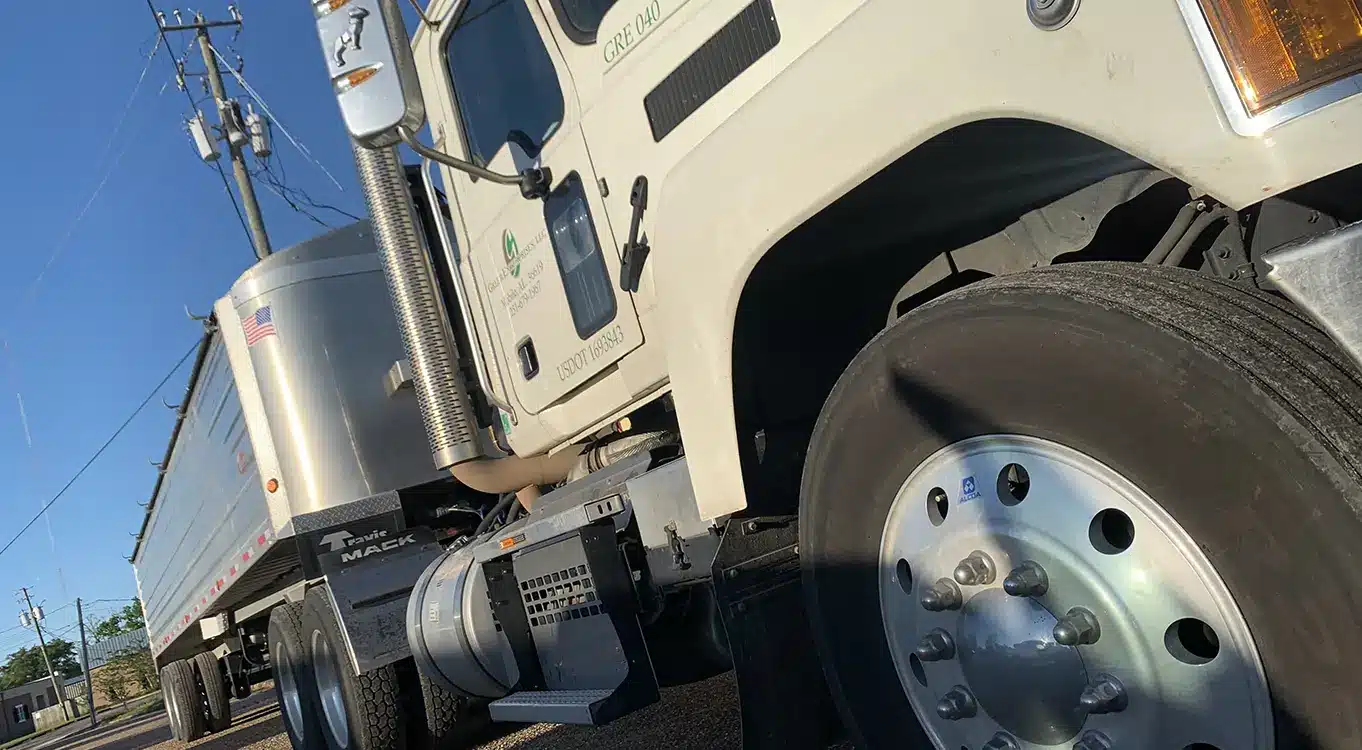
To a national hauler you are an account number. Here you are a plant.
The big operators keep buying each other. Reps get reassigned, terms get renegotiated, and the mid sized generator ends up explaining their own waste streams to a call center. We have been independent since 2001 and the person who classifies your waste is the person who picks up the phone.
Why plants move
Why plants move their waste contract
01
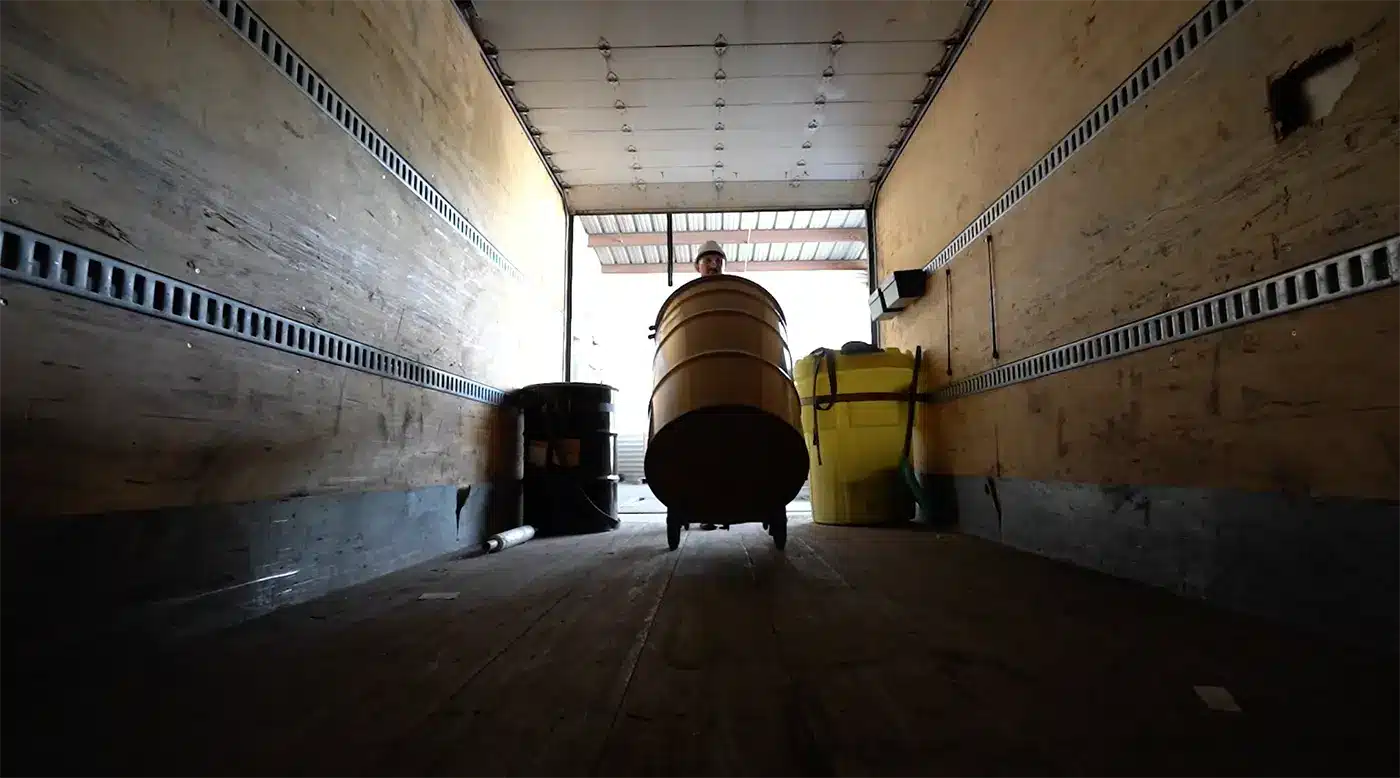
The drums stopped leaving on schedule
A missed pickup is not an inconvenience, it is a clock. Once accumulated waste passes the limit for your generator status, the violation exists whether or not anyone inspects. Our dispatch runs from Mobile and our drivers are our own, so a schedule slip is a phone call and not a ticket.

02
Nobody could answer a classification question
Most waste problems are identification problems. An unlabeled drum, a discontinued product, a process change that quietly altered a stream. Our Certified Hazardous Materials Managers answer that question directly, and if the material turns out not to be regulated we will tell you that too.
03
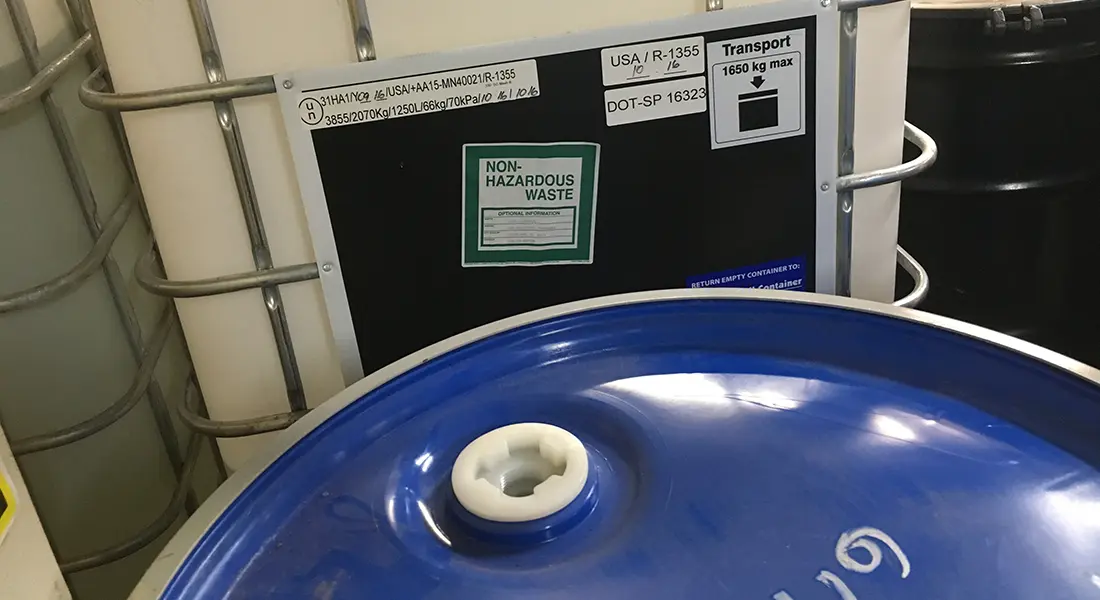
The paperwork would not survive an inspection
You remain liable for that waste after it leaves your dock. What protects you is the manifest, the waste codes, the land disposal restriction notification and the certificate of destruction. We treat those documents as the deliverable rather than the receipt.
A straight comparison
You have seen the national playbook. Here is ours.
A national hauler
- Multi year contracts with early termination fees
- Fuel and energy surcharges that are hard to decode
- A call center, with nobody local accountable
- Rate increases applied at renewal
- Your rep changes when the company is acquired
Greer Enterprises
- Pricing quoted per stream before the truck is scheduled
- Our own trucks and our own drivers, dispatched from Mobile
- A Certified Hazardous Materials Manager answers the phone
- Recovery options priced alongside disposal, not after it
- Independent since 2001, so your contact does not change
How it works
The Greer Standard
How switching works. Three moves, and most generators are running with us inside two weeks.
Send us the profile
An existing waste profile, an old manifest, or photographs of the drums. If you do not have a profile we will build one from a sample.
Price the stream
You get a per stream price with the treatment path named, and the recovery option priced next to the disposal option where one exists.
Schedule the pickup
We handle the transporter paperwork and the transfer from your current vendor. Documentation lands before the driver leaves your site.
Recovery first
Recycle before you bury
Recovery is usually the cheaper line item
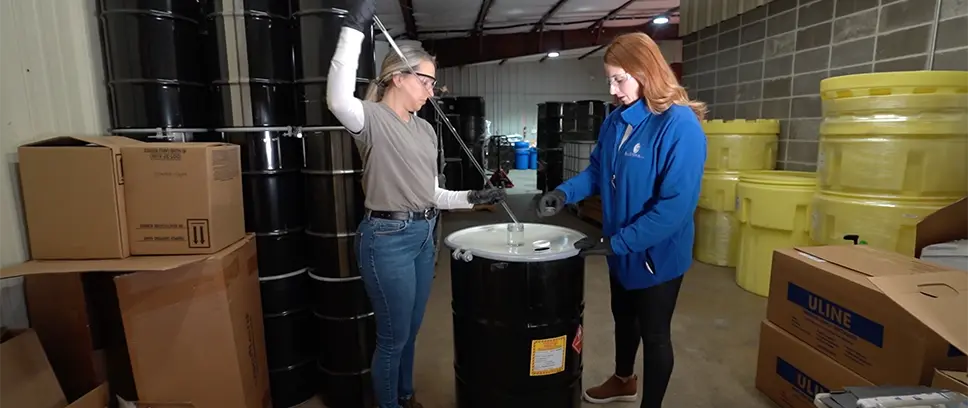
Solvent recovery, caustic reclamation and fuels blending take material that would otherwise be destroyed and return it to use. For a generator that normally means a lower disposal cost and a defensible number for the sustainability report.
We quote the recovery route alongside the disposal route on every stream that supports it. If burial is genuinely the right answer for your material, we will say so.
Service areas
Permitted transport in eight Southeast states
Pick your state for local coverage, or call the office nearest you.
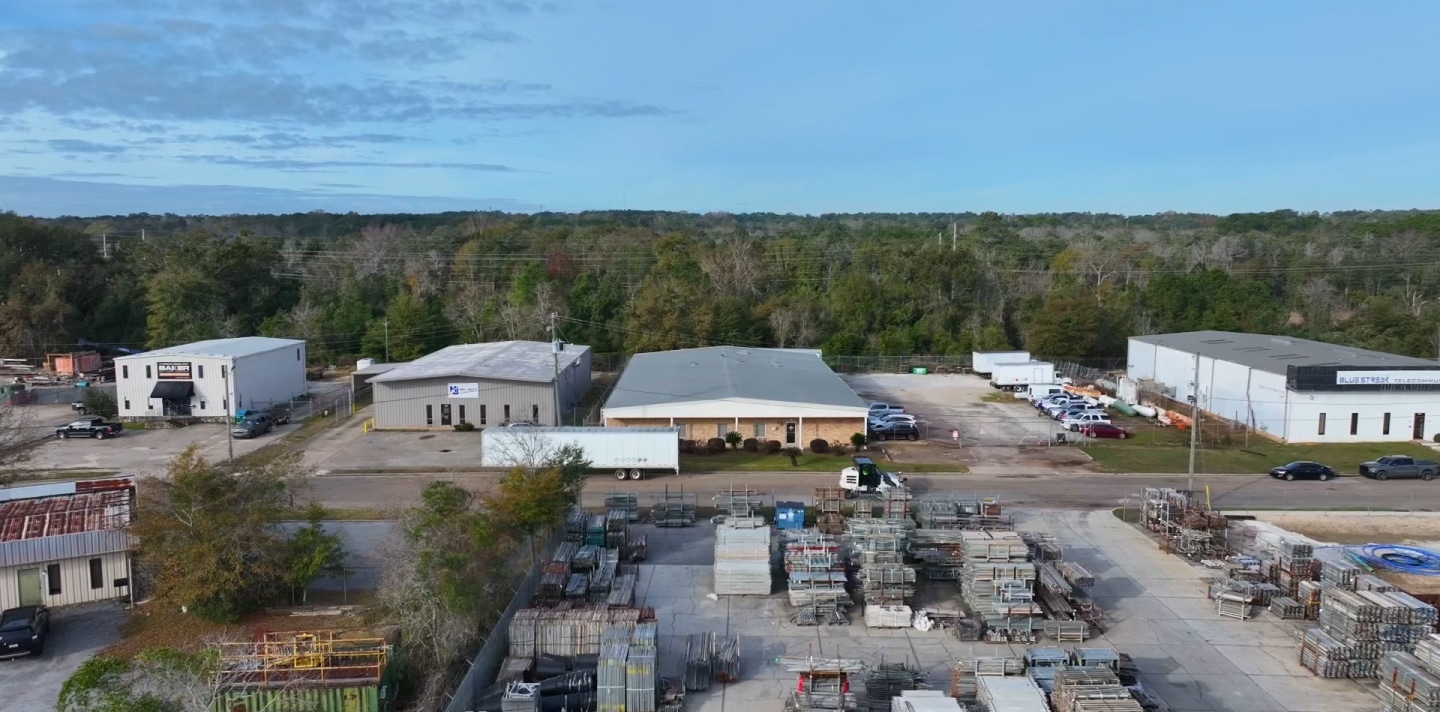
Mobile, Alabama
Our promise
What you can hold us to
We built this company around the part of waste management that actually carries risk, which is the documentation. You own your waste from the moment it is generated until the moment it is destroyed, and no signature transfers that. What we can do is make sure the record of it is complete, correct and in your hands.
If you call and ask for a Certified Hazardous Materials Manager, you will get one. Not a queue, not a form, not a callback window.
The team at Greer Enterprises, Mobile, Alabama
Straight answers
What generators ask before they switch
Am I still liable after the waste leaves my site?
Yes. Under RCRA the generator retains cradle to grave liability for the waste it produces. Signing the manifest transfers custody, not responsibility. That is why the treatment path, the receiving facility and the certificate of destruction matter as much as the price per drum.
How do I know which generator status I am?
It depends on how much hazardous waste you generate in a calendar month. Very small quantity generators produce up to 100 kg, small quantity generators between 100 and 1,000 kg, and large quantity generators above 1,000 kg. Status sets your accumulation limits and your reporting duties, and it can change month to month.
Can you take a drum when nobody knows what is in it?
Yes. Unknowns are routine. We sample and characterize the material, assign the waste codes, and pack it correctly. Guessing at a code is how generators end up with a rejected load and a violation.
Will you handle the switch from our current hauler?
Yes. We coordinate the final pickup, transfer the open profiles and make sure there is no gap in coverage while accumulation clocks are running.
Do you serve sites outside the eight states?
Our permitted transport covers the Southeast. For generators outside it, or for very low volumes, we arrange compliant shipping so the documentation is identical even where our own trucks do not run.
Regulatory summaries on this page are general guidance and are not legal advice. Verify against current federal and state regulations.
Get started
Get a price on your waste stream
Tell us what you generate and we will come back with a per stream price, the treatment path, and the recovery option if there is one.
- A technical professional reviews every request
- Pricing per stream, with the treatment path named
- We will tell you if a stream is not regulated
No obligation and no sales sequence. If we are not the right fit for a stream, we will say so.
Request pricing
- Your stream
- Your site
- Your contact
Office hours 7:00 to 17:00 Central, Monday to Friday. Emergency and spill response by phone.